Fejlesztőközpont a Fülöp-szigeteken


Why is Gloster opening a development center in the Philippines, of all places? Do you remember that TV series where a New York doctor ends up in a remote little town in Alaska because of a scholarship? At first, he resists and is reluctant, but then, little by little, he realizes that the place and the people offer much more than he initially thought. That’s pretty much how it went for us with the Philippines, too. A year ago, we were just exploring our options, but today we can see that we made the right decision. But why the Philippines, of all places?
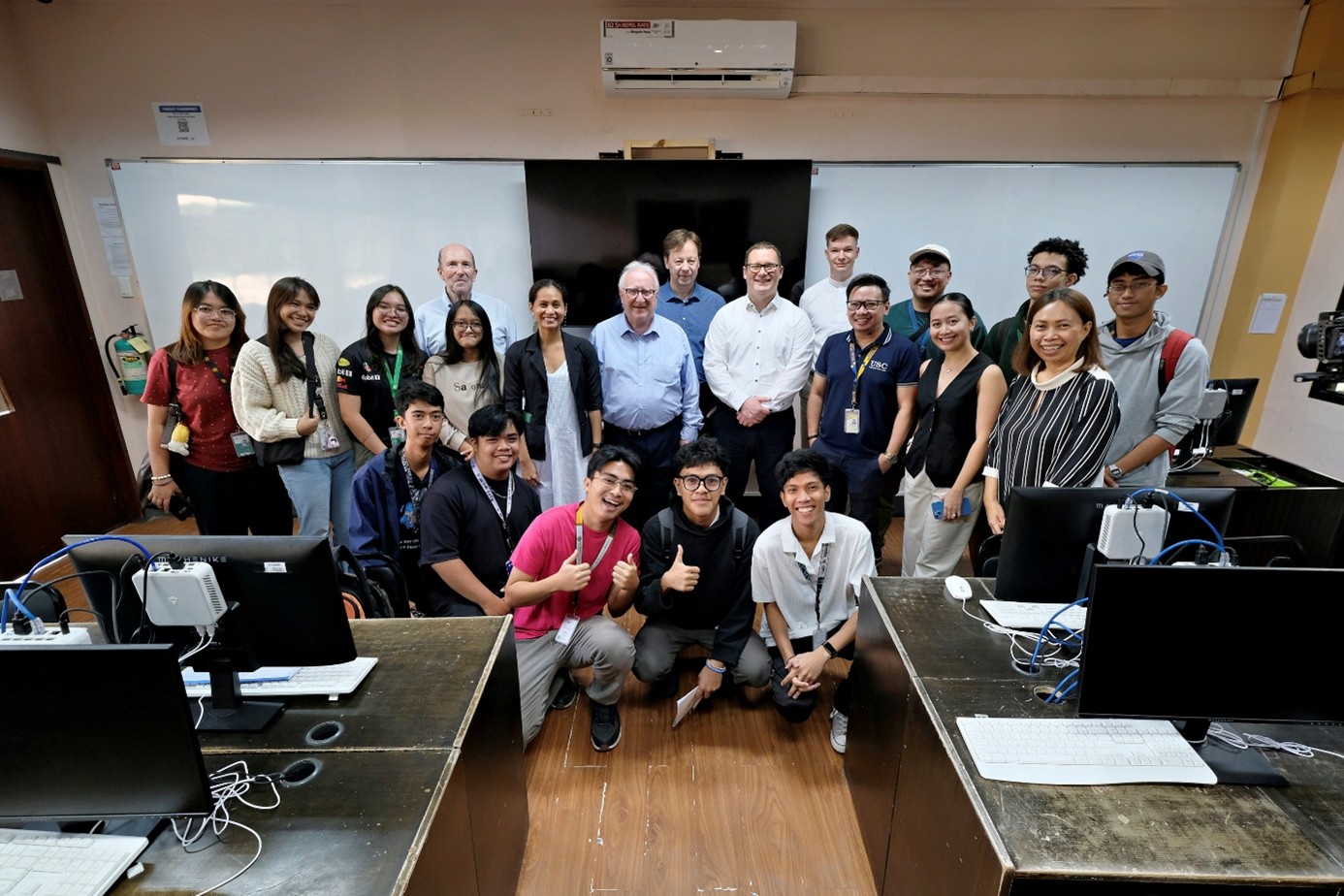
1. People here want to work, too
In an industry where 90% of the output is the result of human labor, the attitude of our colleagues is key. Alongside technical expertise, it was this attitude that previously opened up Western European markets to Hungarian IT companies. The Filipinos’ attitude toward work—much like that of their Hungarian colleagues—is characterized by a strong work ethic, loyalty, and adaptability. Due to their high level of collectivism, they consider teamwork and communal goals to be at least as important as individual interests. They value experience and seniority, and respect for professional leaders and experts is important to them. Compared to other countries in the Asian region, their English language skills are much better, their cultural adaptability is stronger, and their Catholic faith facilitates their integration into Western work environments.
2. Half a million new IT professionals each year
Nationwide, the total number of higher education students in the Philippines is approximately 3.5 million, and a significant portion of them are studying in the fields of business, education, engineering, and information technology. IT programs are among the most popular: about 18% of students are enrolled in IT programs, and two-thirds of them successfully complete their higher education.
This means that in recent years, approximately half a million computer science students have graduated from universities each year. Obviously, not all of them will become software developers or cloud engineers, but the three most popular specializations are:
- Bachelor of Science in Information Technology (BSIT)
- Bachelor of Science in Computer Science (BSCS)
- Bachelor of Science in Information Systems (BSIS)
Young people can pursue these programs at nearly 2,000 institutions of higher education in the Philippines. The quality of education obviously varies, but this sheer number cannot be compared to the few thousand graduates produced annually by the Hungarian higher education system—even if they are educated to a very high standard.
3. Salaries in the Philippines are more favorable than those of IT professionals in Hungary
There are significant differences between the average salaries of IT professionals in the Philippines and Hungary. In the Philippines, an IT professional earns an average gross monthly salary of 220,000–800,000 forints, depending on experience. In contrast, in Hungary, even the starting salary for junior IT professionals falls in the middle of this range, and for experienced professionals, salaries in Hungary can be several times higher than the average salaries in the Philippines.
It is important to note, however, that by establishing this new development center, the company is laying the groundwork for building hybrid teams in which the Philippine location will function as an outsourcing center, complementing —but by no means replacing—domestic operations.
Our Hungarian colleagues consistently deliver high-quality work day in and day out, which keeps our clients satisfied; we base our international business growth strategy on this satisfaction and their expertise.
At the same time, it is clear to us that the people working here—just like their Hungarian colleagues—are dedicated, the supply of new IT talent is steady, and the ability to build hybrid teams could offer us a significant cost advantage as we aim for growth in the Western European and U.S. markets.
All in all, we can say that we’ve only been getting to know the country for a year and we still have a lot of work ahead of us—but we believe we made the right decision and that the effort we’ve put in will pay off, meaning it will also become evident in our financial results. 🚀