Gloster Digital Group
Custom Software Development

When business growth calls for a customized solution.

Custom software development involves designing and building an application or platform tailored to a company’s specific processes, business rules, and system environment—not simply customizing an off-the-shelf product; Gloster carries this out under the leadership of a senior architect, acting as a trusted partner from design through development and the cloud environment to SLA-based operations. New processes with workarounds. Developments piling up in the backlog for months. Business logic living in Excel and an ever-increasing reliance on key personnel.
Beyond a certain point, technology no longer merely supports change—it determines its pace.
Let's talk
The real problem

Technology no longer follows business

The need for custom software rarely stems from a single decision. Typically, it gradually becomes apparent that the existing system can no longer keep pace with changes in the business: new processes are managed in Excel spreadsheets and manual exports; introducing a new product or business rule requires a disproportionate amount of development work; and fewer and fewer people or vendors are able to safely access the system. At this point, the development roadmap is no longer shaped by business priorities but by technological limitations. The consequences are slower time-to-market, higher operating costs, and greater dependence on key personnel. At this point, it is worth examining whether further development and modernization of the existing system or the construction of a new, custom system will yield the best return on investment, and this decision should be made with the involvement of a senior architect who is familiar with the entire system environment.
If the roadmap is already shaped by the system's limitations, the problem is not merely technological.
01
The process exits the system
Excel, manual exports, and human oversight fill in the gaps where the system falls short.
02
Change is getting harder and harder
A new product, business rule, or integration triggers a disproportionate amount of development work.
03
Technology Addiction Is on the Rise
Fewer and fewer people or suppliers are able to safely access the system.
The Business Impact

Technology Becomes a Business Risk

The biggest cost isn't necessarily reflected in development hours. Rather, it lies in the fact that the organization is slower to change.
A Slower Market Entry
The new business requirement reaches the user later.
Higher operating costs
Manual work and workarounds compensate for the system's shortcomings.
Greater operational risk
Key personnel and suppliers become critical dependencies.
A more expensive change
Every new development involves more time and greater technological risk.
At this point, the question is no longer how to further improve the system, but rather what the business needs instead
The Gloster Approach

A well-structured system provides room for business growth

We plan all aspects—including technology decisions aligned with business objectives, development, integrations, the cloud environment, and production operations—as a single, cohesive process, so responsibility isn’t fragmented among multiple vendors who point fingers at each other. We first break down the business objective into specific development phases. At each milestone, we demonstrate tangible results, clarify the next decision, and make the risks transparent.
Business and Product Design
We identify the processes, user needs, business rules, and success criteria. Rather than simply going through a list of features, we work together to clarify what operational results need to be achieved.
System Development and UX
We design the system architecture, integrations, data model, security, and scalability. We address user experience and long-term sustainability together.
Custom Development and System Integration
Development of web, mobile, and business applications, APIs, internal platforms, and digital products. Integration with the existing corporate environment; not a standalone new system.
Cloud, DevOps, and Production Operations
Cloud architecture, CI/CD, monitoring, automated deployment, SLA-based support, and planned further development. Go-live is not the end; it is the beginning of the operational lifecycle.
AI in Development
We can also use AI tools to accelerate the process, testing, analysis, and documentation, in line with our clients’ needs. Senior engineers continue to make decisions regarding the architecture and the production system, and they review and test all results before deployment.
Why Gloster

A business-critical system requires more than just developers

01

A senior architect leads system-level decision-making

The project is led by a designated technical lead who oversees the architecture, dependencies, quality, and long-term maintainability.

02

A single partner retains full responsibility for the technology

Design, development, cloud, DevOps, and operations are not separate contracts or a chain of vendors passing the buck to one another. These competencies are available within the group.

03

Transparent Project Operations

We document decisions, regularly present progress reports, and identify risks in a timely manner. Managers have a clear view of where the project stands and what decisions they need to make.

04

A transferable system, deliberate vendor independence

We build on open standards, documented architecture, and handover terms clearly defined in the contract. Our goal is not technical lock-in, but long-term value for our partners.

05

Security and operability are already part of the design process

We incorporate access control, data protection, logging, activation, monitoring, and recovery right from the system design phase.

06

International experience backed by a stable corporate foundation

We work with international clients in European time zones, using Hungarian, English, and German as our working languages. Stock market transparency and a stable corporate background also reduce counterparty risk.

Book an online consultation
How we work

A clear decision at the end of each stage

A custom software development project proceeds in five phases, and at the end of each phase, the client decides whether to proceed. First, the business objective, the system environment, and the main risks are clarified with a senior expert. This is followed by assessment and planning: identifying processes and dependencies, defining the target architecture, outlining the development phases, establishing an estimated cost range, and determining key decision points for management. Development takes place in short cycles, with regular demos and automated testing, so clients see tangible results rather than an invisible project that drags on for months. Deployment involves planned migration, security and performance testing, and monitoring. After go-live, SLA-based support and further development aligned with business priorities follow. This allows the investment to be controlled step by step, and risks to be identified in a timely manner.

Professional Situation Assessment and Initial Framework
01
We work with a senior expert to clarify the business objective, the system environment, the main risks, and whether Gloster is the right partner for the task.
Survey, Architecture, and Investment Plan
02
We analyze the processes and dependencies, design the target architecture, and then define the development phases, the estimated cost range, and the management decision points.
Iterative Development and Integration
03
Short delivery cycles, regular demos, automated testing, and continuous business feedback. The result is a working product, not a project that remains invisible for months.
Controlled go-live and stabilization
04
Planned migration, security and performance testing, a go-live plan, monitoring, a support process, and clear lines of responsibility surrounding the launch.
Operation and Planned Further Development
05
SLA-based support, performance and error monitoring, projected expenses, and ongoing development aligned with business priorities.
View References
Situations Involving Collaboration

We step in when the project requires real accountability and senior-level expertise

New system or digital product
From assessment and system design through development to live operation, we guide the project through every stage as your partner.
Taking Over a Stalled Project
Code base and architecture audit, recoverability assessment, handover plan, stabilization, and a new, transparent project operation.
Expanding the Internal Development Team
Dedicated module, architect or DevOps support, specialized expertise, shared backlog, and knowledge transfer.
Further Development of the Existing System
New features, integrations, performance improvements, and technological upgrades—all while keeping the business running.
The people you'll be working with

From your very first professional interview, you'll be working with our senior experts

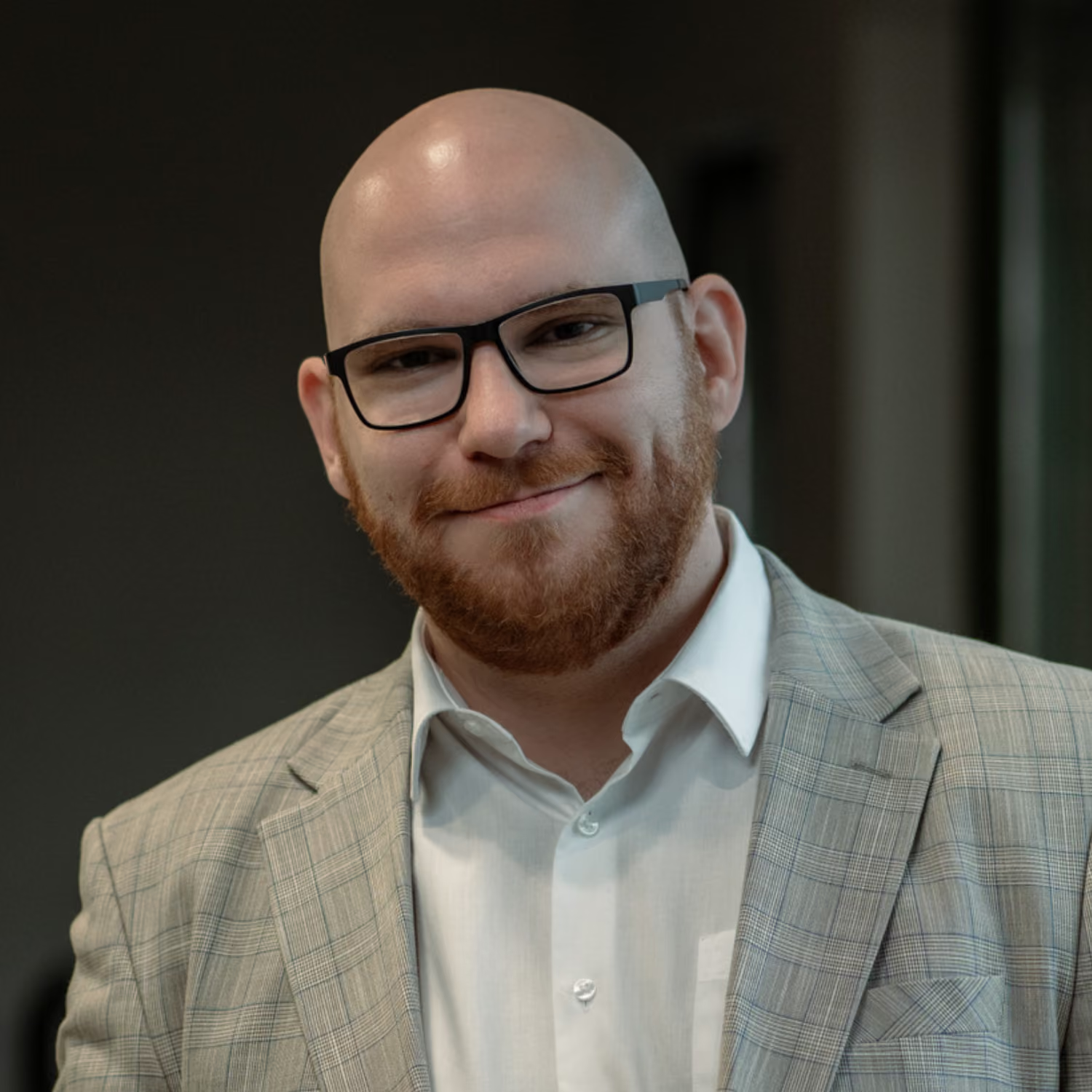
Péter Szilágyi's profile picture.
Péter Szilágyi
Senior Enterprise Architect
András Leskó's profile picture.
András Leskó
CTO
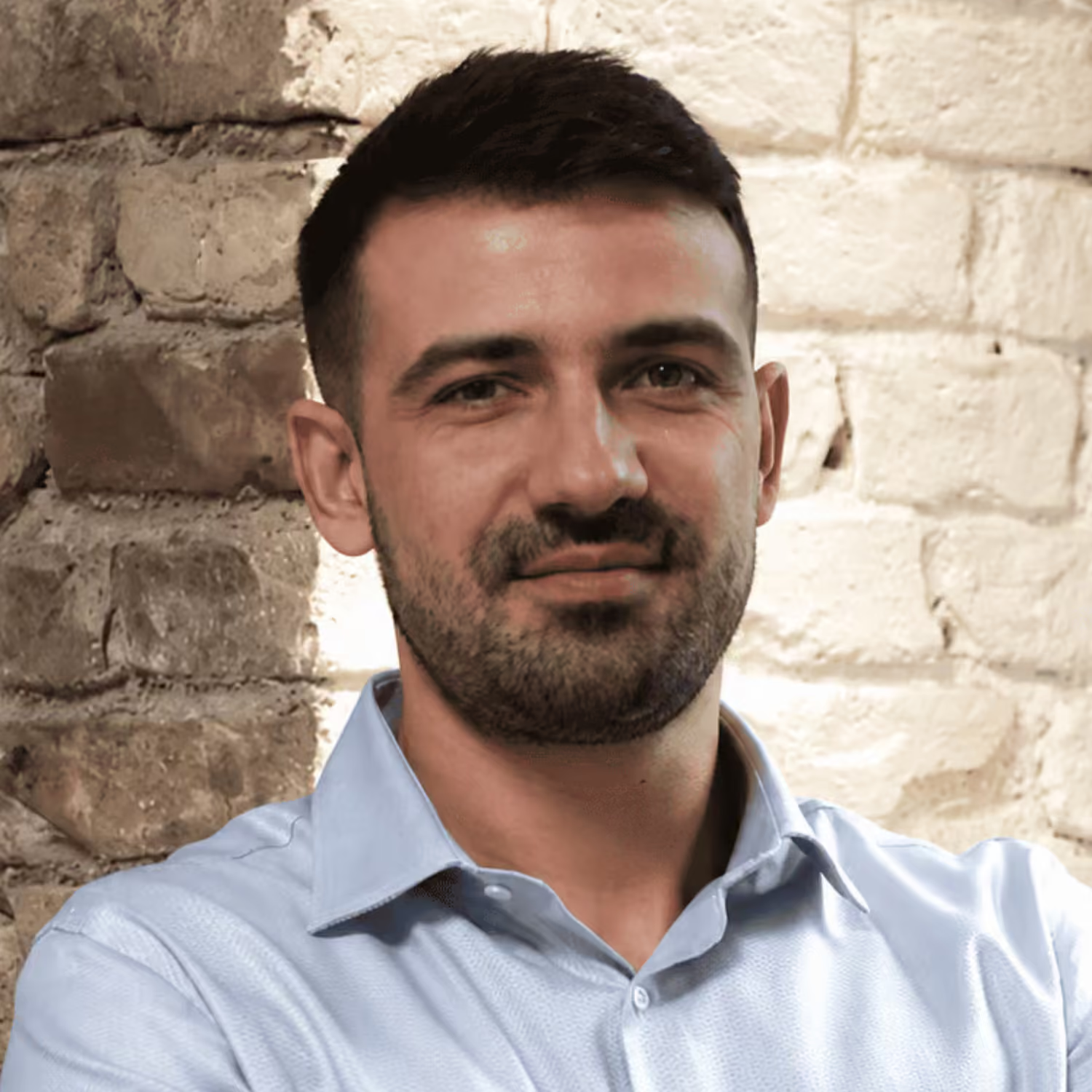
Zoltán Rak's profile picture.
Zoltán Rak
Senior Enterprise Architect
Safety and Compliance

Security starts with architecture

For business-critical systems, security, data management, and auditability are integral parts of the design process. We tailor the necessary controls to the system’s risk profile.
Security-by-design architecture and authorization model
Auditable development, testing, and deployment processes
NDA and contractually established frameworks for data processing, access, and transfer
EU Data Processing and Cloud Hosting Options Based on Business Requirements
Taking NIS2 Requirements and Industry Compliance Considerations into Account in the Design Process
Managing Dependencies, Vulnerabilities, and Expenditures Throughout the Entire Life Cycle
Contact

To make the next decision, we first need a clear technical and business picture

A 30-minute professional assessment with a senior architect. We’ll review your current situation, the most significant risks, and the most realistic next steps. You won’t receive a generic sales pitch—instead, you’ll get professional feedback on how to move forward.
A 30-minute conversation with a senior architect
Professional feedback, not a sales presentation
We will get back to you within 2 business days at the latest
I'd like to schedule an online consultation
Free of charge
No obligation
We'll respond within 1 business day
Thank you! Your submission has been successfully recorded!
Oops! An error occurred while submitting the form.
FAQ

Frequently Asked Questions

How long does it take to develop custom enterprise software?

The timeline for a custom software project depends on the system’s complexity, integrations, and security requirements; therefore, we establish the exact timeline at the conclusion of the assessment and architecture design phases, along with the development stages and management decision points. Development proceeds in short delivery cycles with regular demos, so a working result is visible at every milestone. We typically schedule the first technical consultation within a few days.

How much does it cost to develop custom business software?

The price of custom software is tailored to your specific needs and depends primarily on the complexity of the system, the number of integrations, and security requirements. By the end of the assessment, you’ll receive a cost range and implementation framework that will help you make informed decisions, broken down into development phases. This allows you to approve the investment on a phase-by-phase basis and decide at the end of each phase how to proceed with the project.

What does a custom software development project involve, from design to operation?

The service covers the entire lifecycle with a single partner: business and product planning, architecture and UX design, web, mobile, and business application development, system integration, cloud and CI/CD, as well as SLA-based operation and further development. The project is led by a designated senior architect. The source code, documentation, and handover terms can be specified in the contract, ensuring that the system can be transferred without vendor lock-in.

When is it worth developing custom software?

For companies where the existing system is already slowing down business: processes are managed in Excel and through manual exports, every new integration requires a disproportionate amount of work, or only a few people understand the system. We step in in four situations: implementing a new system or digital product, taking over a stalled project, supplementing an in-house development team, and further developing an existing system. We work in Hungarian, English, and German.

How does a custom software development project get started?

We start with a free, 30-minute professional assessment with a senior architect, during which we clarify the business objective, the system environment, and the main risks. This is followed by an assessment and architecture design, at the end of which you’ll receive an investment plan, an estimated cost range, and key decision points for management. Only then do we begin iterative development, a controlled go-live, and SLA-based operations.

What does the client need to provide for a custom software development project?

The project is based on the client’s active participation. During the assessment phase, we work together to identify processes, user needs, business rules, and success criteria; during development, decisions are made through regular demos and ongoing business feedback. Project-specific source code, documentation, and delivery terms can be clearly specified in the contract.
Last updated: November 25, 2026